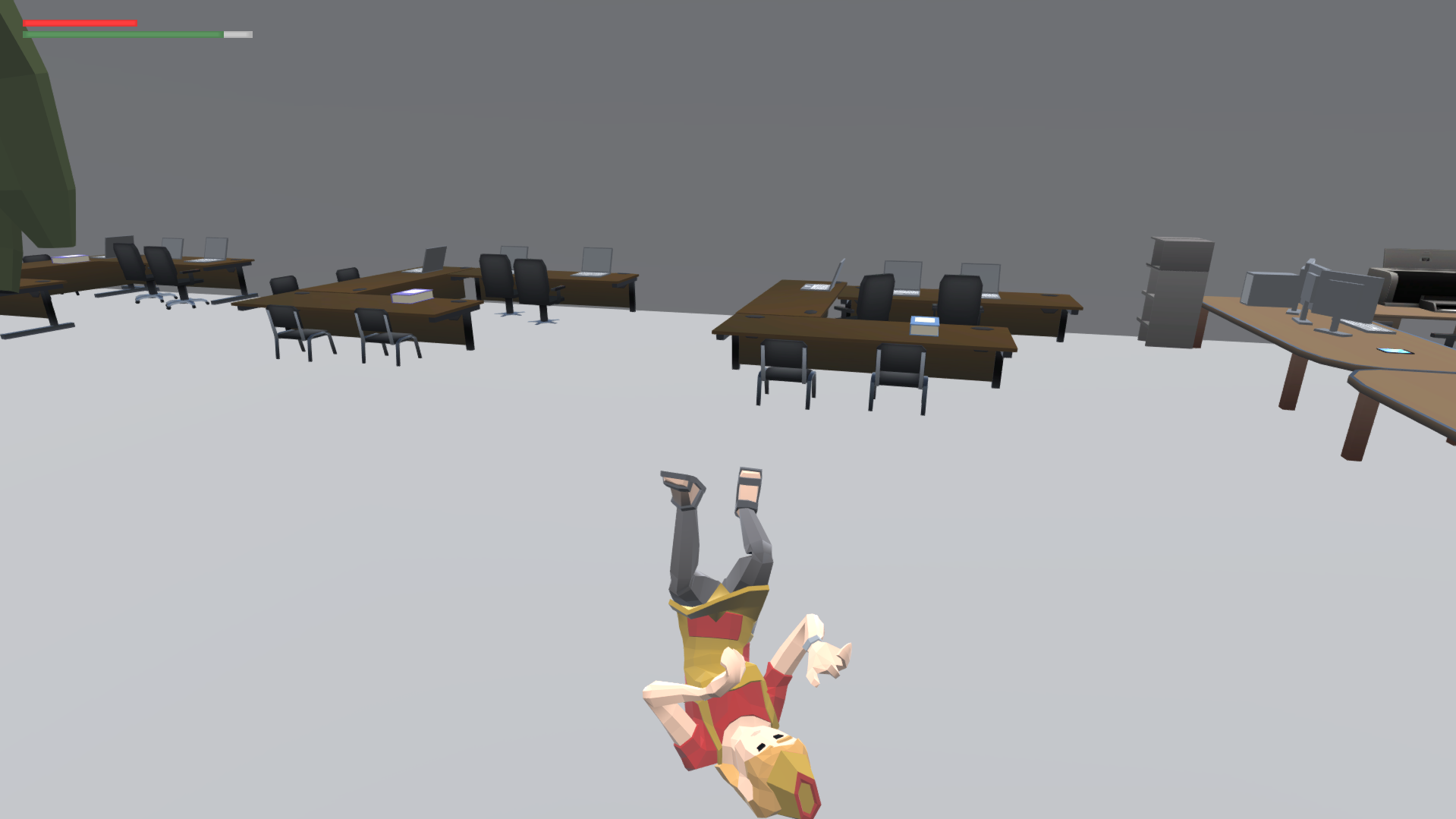
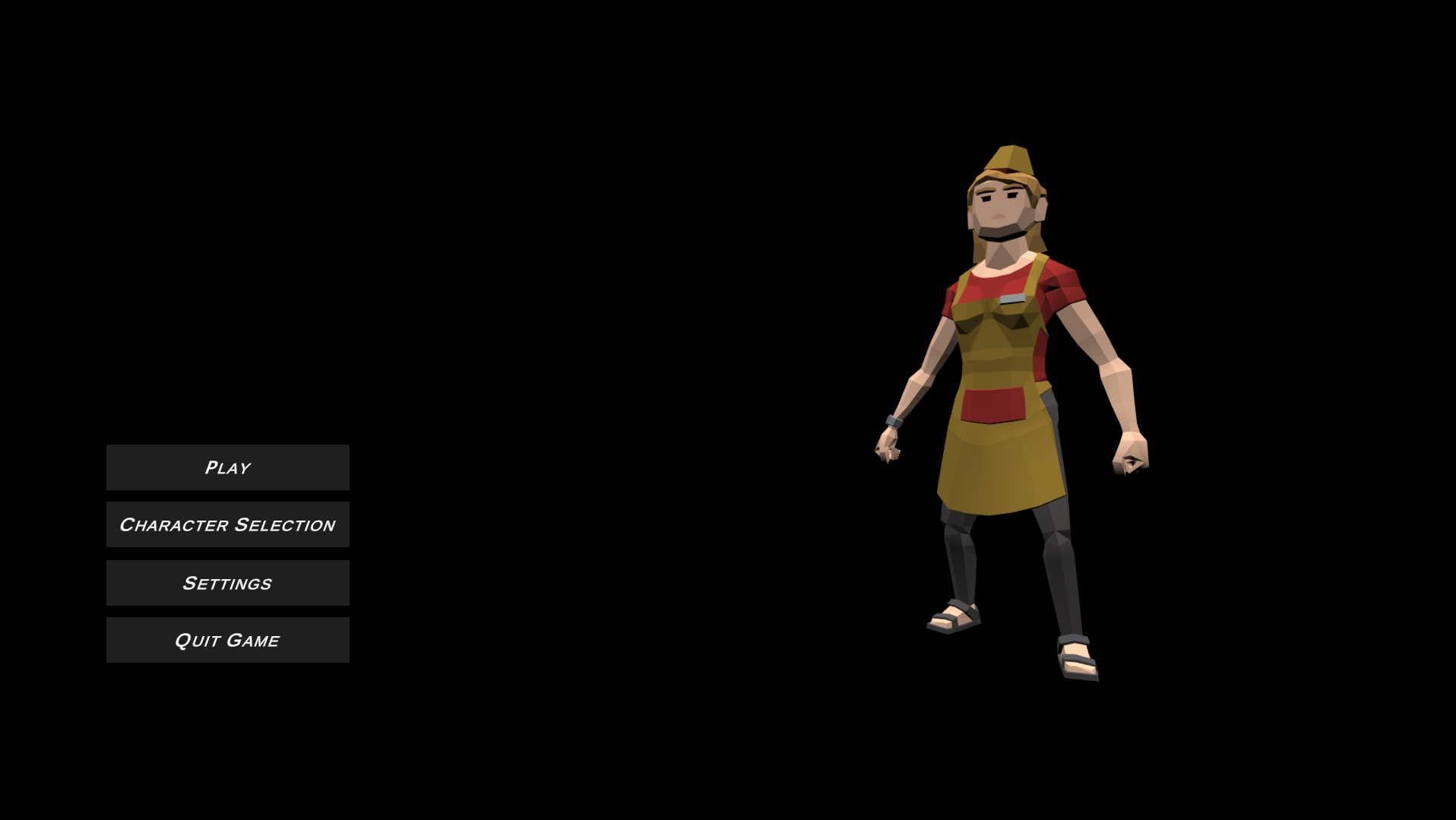
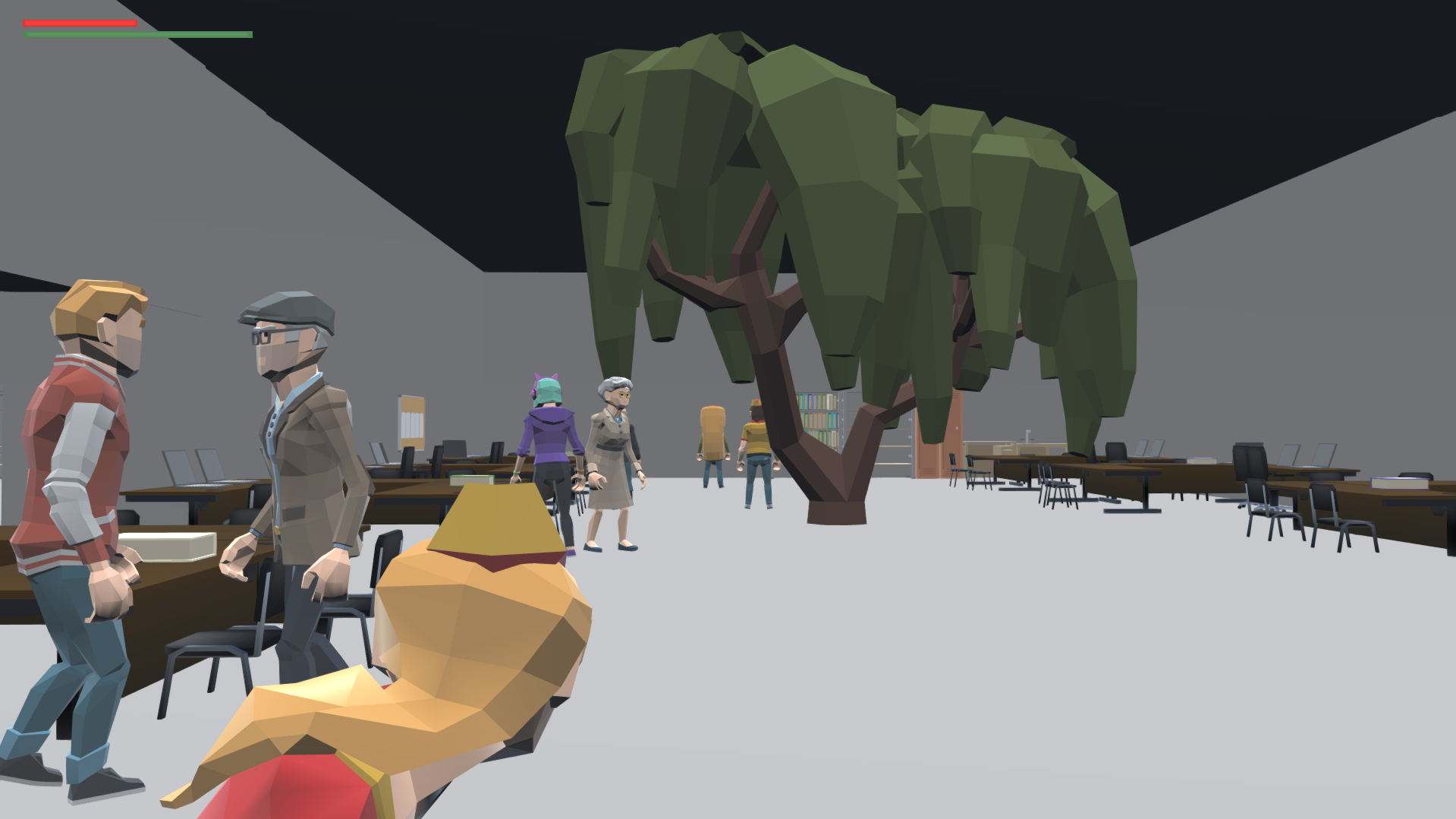


Three years ago, when I was in 9th grade (class 3èmeC), I led one of the most exciting and challenging projects of my school life: building a 3D simulation of our actual classroom in Unity.
At the time, I already knew how to code. I had been experimenting with development for a while, and I was passionate about game design. So when the opportunity came up to do something creative and technical in our tech class, I decided to go big. I proposed the idea to simulate our classroom environment in Unity—and surprisingly, the class and the teacher were all in.
We were 30 students, and for six months, I took the lead on the project. I taught my classmates how to use Unity, build environments with ProBuilder, and write scripts using Visual Studio. Most of them had never touched a game engine before, but I broke everything down into simple steps, ran mini tutorials, and helped them troubleshoot as we went.
To speed up our prototyping process, we used the Polygon asset packs by Synty Studios. Their low-poly style was perfect for quickly building out the classroom props and surrounding environments without getting stuck on complex modeling (that’s why we have a random tree in the middle of the class). It let everyone focus on learning the core tools and mechanics without getting overwhelmed.
We also got support from our computer science teacher, who helped guide the overall structure of the project and gave us valuable advice when we hit technical roadblocks. His encouragement really made a difference.
What made it really special was the dedication. A bunch of my classmates were so into it that they’d come back during Thursday lunch breaks just to keep working on the simulation. It wasn’t mandatory. They just genuinely wanted to see the project come to life. We split up tasks—some modeled desks and windows, others handled lighting, textures, or basic interaction scripts. There was a real team spirit.
Unfortunately, we never got to finish the game. The final rush for the brevet exams kicked in, and we had to put everything on hold. But even though the simulation remained unfinished, the experience itself was unforgettable.
That project taught me a lot—how to lead a team, how to teach others, and how to keep people motivated around a shared goal. It also confirmed what I already felt deep down: that tech, design, and collaboration were things I wanted to keep exploring seriously.
Sometimes I think about reopening that Unity project file and finishing what we started… maybe one day.
 WaveRise Studios
Leave a comment